

Tips for a Smooth Transition to New Dentures
Table Of Contents
Adjusting to new dentures may present challenges, but with time and patience, you’ll find it easier to eat and smile with newfound confidence. If you’ve recently started wearing dentures, it’s essential to give yourself time to acclimate. Here are some valuable tips from GDental to help you adapt to life with dentures.
Expect Initial Discomfort
It’s a common misconception that discomfort and irritation are abnormal when you first wear dentures. On the contrary, a typical adjustment period lasts around 30 days. During this time, the gums and soft tissues of your mouth adapt to the constant contact with the denture base. Although dentures have cushioning, you might still experience discomfort while speaking or eating. Your gums and jawbone will adjust gradually, but since the jawbone isn’t continually stimulated by natural teeth, it may shift over time, requiring periodic adjustments by a dentist.
Be Open to Adjustments
During the first few weeks, it’s not unusual for your dentures to feel loose or occasionally slip out of place. Remember, this is a temporary phase. Reposition the dentures carefully and continue with your day. Make sure to attend all your follow-up appointments at GDental to check if any adjustments are needed.
Ways to Alleviate Discomfort
While initial discomfort is to be expected, there are ways to alleviate it. Massaging your gums can increase blood circulation, reducing swelling and soreness. Rinsing your mouth with warm salt water can also help. Some topical creams are specifically formulated to ease soreness. Applying aloe vera to the dentures can also provide relief.
Modify Your Diet
Your eating habits will need some adjustments to accommodate your new dentures. To ease the transition, a dentist at GDental may recommend the following:
Select Soft Foods
Begin with foods that are easy on your gums, like pudding, applesauce, or mashed potatoes. These options don’t exert excessive pressure on your gums, allowing them to heal as you adjust to your new eating routine. Be cautious with hot or cold foods, as dentures can make your gums more temperature-sensitive.
Be Mindful While Biting
As you progress to harder foods, take small bites and start chewing with your back teeth. This ensures more even pressure distribution and minimizes the risk of your dentures shifting.
Conclusion
Adapting to dentures involves a learning curve, but understanding that adjustment takes time can make the process easier. For more guidance on living comfortably with your new dentures, schedule an appointment at GDental.
Related Posts
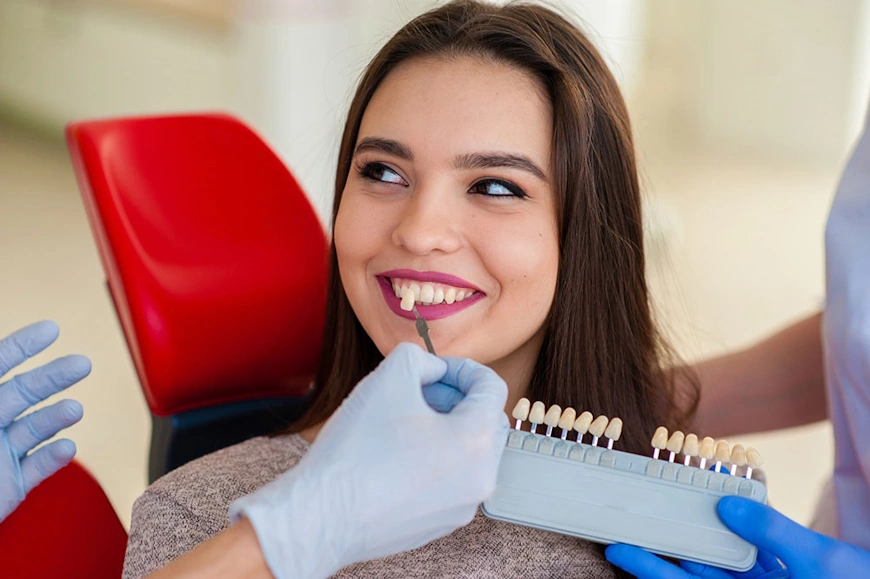
The Importance of Routine Dental Check-Ups
If you often conceal your smile or steer clear of social situations, a smile makeover from GDental might be just the solution you’re looking for. Our custom treatments can resolve various concerns affecting both your oral and mental health.
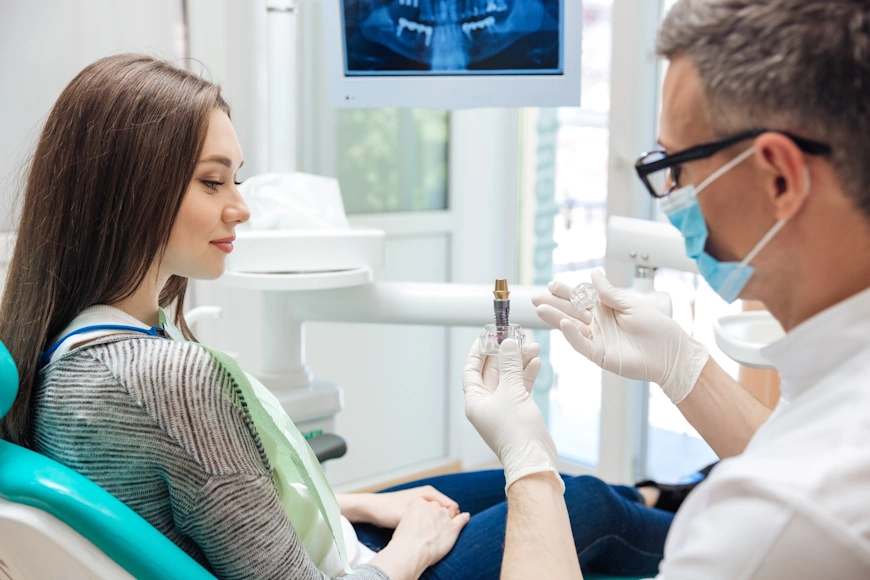
Choosing Between Dental Implants and Dentures: What's the Right Option for You?
Tooth loss is an increasingly prevalent issue that goes beyond merely missing teeth. It can have far-reaching implications on both your dental health and self-confidence. A gap in your teeth can affect speech, eating abilities, facial aesthetics, and even alter the structure of your jaw due to shifting gum lines.

Cosmetic Dentist Can Transform Your Smile
A cosmetic dentist is your go-to professional for rectifying minor smile imperfections, utilizing a range of treatment procedures tailored to enhance your smile’s aesthetics. By understanding the variety of options available, and how these processes work, you can make a more informed decision about your cosmetic treatment.