

Understanding Dental Crowns: A Comprehensive Guide
Table Of Contents
Why Dentists Use Dental Crowns
A dental crown serves multiple purposes, ranging from protecting a cracked tooth to restoring its appearance. This custom-fit cap adheres to the tooth, providing both strength and aesthetic improvements.
Benefits of Dental Crowns
- Protection against further damage
- Enhanced structural integrity for teeth with large fillings
- Restored shape and alignment
- Natural appearance
- Durability against the pressures of biting and chewing
The Process of Crown Placement
The dental crown procedure is straightforward but involves several steps for ensuring a good fit and long-lasting result.
Initial Assessment and Tooth Preparation
The dentist will begin by treating any underlying dental issues such as cavities or gum infections. Then, the tooth receiving the crown will be anesthetized and reshaped to accommodate the crown.
Impressions and Temporary Crown
Once the tooth is prepared, the dentist takes impressions to send to the lab where the custom crown is made. A temporary crown is usually placed to protect the tooth in the meantime.
Placing the Permanent Crown
During a subsequent visit, the dentist removes the temporary crown, fits the permanent one, and cements it in place. Adjustments are made as needed to ensure comfort and functionality.
Possible Problems with a Dental Crown
While dental crowns offer a plethora of benefits, they are not without potential drawbacks.
Initial Discomfort and Sensitivity
Some discomfort or sensitivity is normal immediately following the procedure, but these usually resolve over time.
Crown Loosening or Detachment
Over time, the dental cement could weaken, causing the crown to become loose or even detach entirely.
Chipping and Allergic Reactions
Chipping is a risk, particularly for porcelain crowns. Additionally, although rare, some people might have allergic reactions to the materials used in the crown.
Esthetic Concerns
In some cases, a dark line may appear at the gum line, which could necessitate the replacement of the crown with a different material.
Conclusion
Dental crowns can significantly improve both the functionality and appearance of damaged teeth. Consult your dentist for a thorough evaluation to determine if a dental crown is the right option for you.
Related Posts
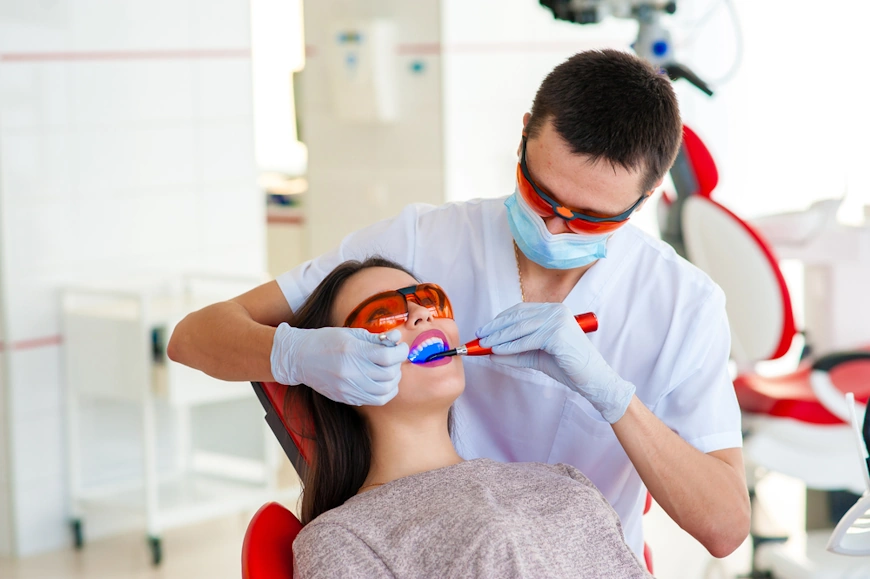
Understanding Dental Fillings: What to Expect at GDental
When teeth start to decay or suffer from minor damages like chips or cracks, dental fillings come to the rescue. Often, general dentists at GDental recommend dental fillings to restore the structure and function of teeth. Curious about what happens during this common procedure? Read on.

7 Key Benefits of Routine Dental Cleaning for Healthy Gums
If you aim to keep your gums in tip-top shape, don’t underestimate the value of consistent dental cleanings as part of your oral care regimen. Regular cleanings at GDental not only help you dodge gum disease, a condition resulting from bacterial accumulation around your teeth and gums, but they can also prevent severe issues like tooth loss and even heart-related complications. Below are seven compelling reasons why routine dental cleanings at GDental should be a non-negotiable part of your monthly to-do list.

How Long Do Dental Crowns Last? Unveiling the Facts at GDental
If you’ve ever had a dental crown fitted at GDental, you might be wondering about its lifespan. Is it a permanent solution? What factors can affect its longevity? Let’s dive in.